



Sneezing is a natural and healthy reflex that helps us clear our nasal passages and expel foreign particles from our respiratory system. It can also indicate an allergy, infection, or irritation. But did you know that sneezing injuries, especially for older adults?
As a physical therapist, I have seen my fair share of patients injure themselves from sneezing. They’ll often come to me and say, “I know this sounds crazy, but this pain started after I sneezed!”
Rest assured, you are not alone if this has happened to you. Some patients have had minor problems, such as sore throats or headaches. Others had more serious issues, such as fractured ribs or herniated discs. Sneezing has even been associated with serious conditions such as strokes or ruptured eardrums.
This article will explore the mechanism and benefits of sneezing, the possible injuries resulting from sneezing, and the preventive measures and safe sneezing techniques that can help reduce the risks. We will also provide some examples of movement modifications and exercises that can help with specific sneezing injuries.
How Does Sneezing Work?
Sneezing is a complex process involving several body parts, such as the nose, mouth, throat, lungs, diaphragm, abdominal muscles, and even the brain. Here is a simplified overview of how sneezing works:
First, something triggers a sneeze, such as dust, pollen, pepper, or a virus. This irritates the nerve endings in the lining of your nose, which send a signal to the brain.
The brain then activates the sneeze reflex, which prepares your body for a powerful expulsion of air. It does this by increasing your breathing rate, closing your eyes, raising the soft palate, and opening your mouth.
Next, you inhale deeply to fill your lungs with air. Then you contract your abdominal and chest muscles to create high pressure in your chest cavity. This forces the air out of your lungs through your nose and mouth at high speed (up to 100 miles per hour!).
Finally, you expel the air with mucus, saliva, and foreign particles trapped in your nose or throat. This clears your airways and protects you from potential infections or irritations.
With the many tiny, complex movements involved in sneezing, it’s no surprise that it can lead to injury, but why do we sneeze anyway?
Why Is Sneezing Good for Us?
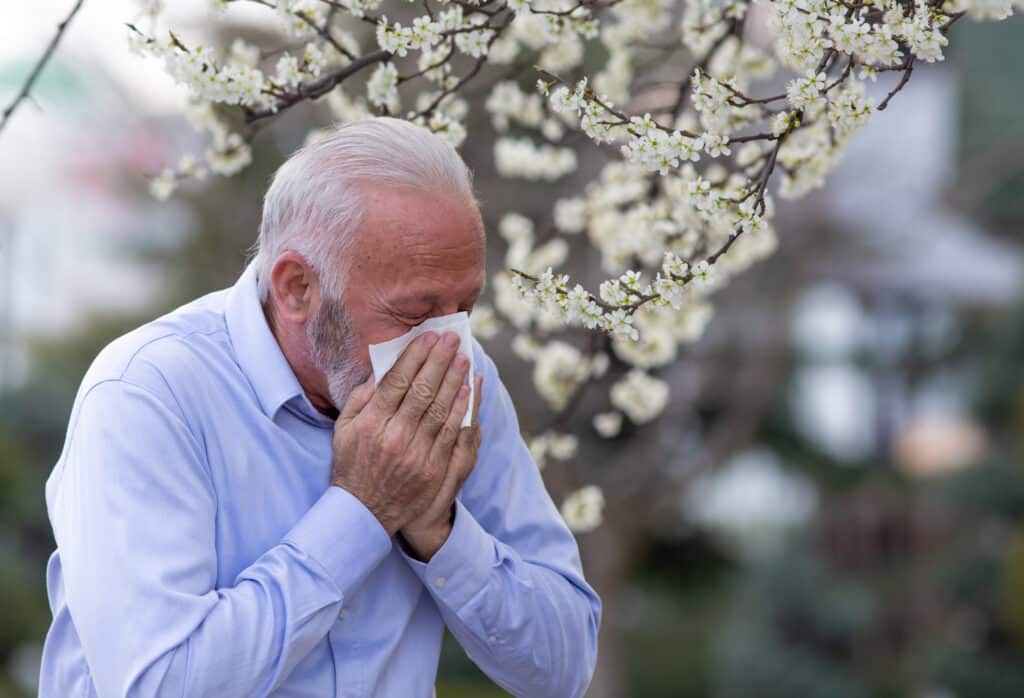
Sneezing is a reflex and defense mechanism that helps us maintain our health and well-being. Some of the benefits of sneezing include:
Removal of allergens, irritants, bacteria, viruses, and other foreign substances from our nose and throat. This prevents them from entering our lungs or causing inflammation or infection in our respiratory system.
Stimulation for the production and release of mucus that moistens and cleanses our nasal passages and traps any harmful particles that may enter our nose.
It boosts our immune system by activating specific cells and antibodies that fight off pathogens and infections.
It improves our sense of smell by clearing any obstructions or blockages in our noses.
It relieves nasal congestion and sinus pressure by opening our nasal passages and sinuses.
It enhances our mood and alertness by triggering the release of endorphins—natural painkillers and mood boosters.
What Are the Possible Injuries from Sneezing?

Despite its benefits, sneezing can also cause serious injuries, especially for older adults with weaker, more fragile bones, muscles, tissues, blood vessels, or organs. Here are some of the possible severe injuries from sneezing.
Ruptured eardrum
The sudden change in pressure in our ear canal during a sneeze can damage or tear the thin membrane separating our outer and middle ear. This can cause pain, bleeding, hearing loss, ringing in the ear (known as tinnitus), dizziness, or infection.
Fractured rib
The forceful contraction of our chest muscles during a sneeze can crack or break one or more ribs. Broken ribs can cause pain, bruising, swelling, and difficulty breathing.
Herniated disc
The compression of our spine during a sneeze can cause one or more discs that cushion our vertebrae to bulge or rupture. This can cause pain, numbness, tingling, weakness, or paralysis in different body parts, depending on which nerve is affected.
Stroke
The sudden increase in blood pressure during a sneeze can cause a blood vessel in our brain to burst or block. This can deprive some parts of our brain of oxygen and nutrients, leading to cell death and brain damage.
Common stroke onset symptoms include headache, confusion, slurred speech, vision loss, weakness, numbness on one side of our body, or loss of consciousness. A stroke is a medical emergency; contact emergency personnel immediately if you believe you have had a stroke.
Other serious but lesser-known complications, such as spontaneous lung collapse (bilateral spontaneous pneumothorax), have been reported but are very rare. [4]
How Can We Prevent or Recover from Sneezing Injuries?
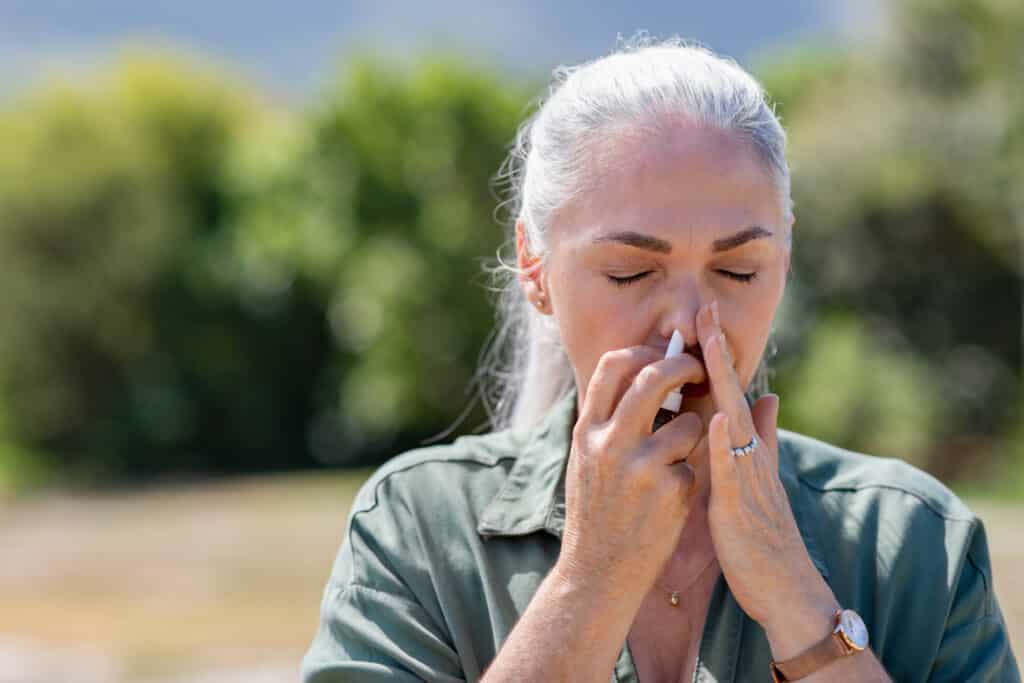
The best way to prevent or recover from sneezing injuries is to sneeze safely and seek professional guidance. Here are some tips and recommendations:
Sneeze safely
To reduce the risk of injury, try to sneeze gently and softly without holding your breath or closing your nose or mouth. You can also try to sneeze into a tissue or your elbow to prevent the spread of germs. Avoid sneezing forcefully or violently, as this can increase the pressure and force in your body.
Use nasal sprays or antihistamines
If you have a runny or stuffy nose, use a saline nasal spray to moisten and clear your nasal passages. You can also use an antihistamine to reduce your nose’s inflammation and mucus production. However, be careful not to overuse these products, as they can cause side effects such as dryness, irritation, or “rebound” congestion.
Practice good hygiene and wash your hands frequently
Sneezing can also be caused by viral or bacterial infections, such as the common cold or the flu. To prevent catching or spreading these germs, you should practice good hygiene and wash your hands frequently with soap and water.
Wear a mask or cover your nose and mouth when exposed to dust or pollen
If you have to go outside when the air quality is poor, or the pollen count is high, you can wear a surgical mask or cover your nose and mouth with a scarf or a bandana. This can help filter out some of the particles that can trigger sneezing.
Seek professional guidance & follow a treatment plan
If you experience any pain, discomfort, or unusual symptoms after sneezing, consult your doctor or physiotherapist as soon as possible. They can diagnose the cause and severity of your injury and prescribe the appropriate treatment and rehabilitation plan. They can also advise you on how to prevent further damage or complications.
Depending on your injury, you may need medication or a treatment protocol to recover. Follow the instructions and recommendations of your healthcare provider and stick to the prescribed plan.
Do not ignore or delay treatment for these or any other injuries, as this can worsen your condition or lead to chronic problems.
Modify your movements and exercises
Depending on your injury, you may need to modify or avoid specific movements or exercises that aggravate your condition or cause re-injury.
In the next section, we’ll look at common sneeze-related injuries and how to modify your lifestyle to avoid or recover from them.
Movement Modifications & Exercises for Sneezing Injuries
Here are some examples of movement modifications and exercises that can help with specific sneezing injuries.
Note that these are general suggestions and not a substitute for professional guidance. Always consult your doctor or physiotherapist before starting any exercise program.
Ruptured Eardrum
Movement modification
Avoid activities that may increase the pressure in your ear canal, such as flying, diving, swimming, blowing your nose, or using earphones. You may also need to wear earplugs or a bandage over your ear to protect it from water or infection.
To help with healing and hearing recovery, you can do gentle ear exercises involving moving your jaw, tongue, or eyes.
For example, you can try opening and closing your mouth, moving your tongue side to side, up and down, or in circles, or moving your eyes left and right, up and down, or in circles. Do these exercises several times a day for a few minutes each time.
Fractured Rib
Movement modification
Avoid activities that may stress your rib cage, such as lifting heavy objects, twisting your torso, or doing chest exercises. You may also need to wear a chest binder or a brace to support and stabilize your rib cage.
To help with healing and breathing recovery, you can do gentle breathing exercises involving inhaling and exhaling slowly and deeply through your nose or mouth.
For example, you can try diaphragmatic breathing, which involves placing one hand on your chest and one hand on your abdomen and breathing so that only your abdomen moves, not your chest. You can also try pursed-lip breathing, which involves inhaling through your nose and exhaling through pursed lips as if you are blowing out a candle.
Herniated Disc
Movement modification
Avoid activities that compress or twist your spine, such as bending forward, twisting your spine, or doing back exercises. You may also need a back brace or a corset to support and stabilize your spine.
To help with healing and pain relief, you can try gentle stretching exercises that involve extending or flexing your spine in different directions. Talk to your physical therapist before beginning any at-home treatment for herniated discs, as each case will have different care needs.
Stroke
Movement modification
If you have had a stroke, you are likely following a doctor-prescribed care plan. Some common recommendations for stroke recovery are as follows:
Avoid activities that may increase the risk of another stroke, such as smoking, drinking alcohol, or eating unhealthy foods. You may also need to take medication, monitor your blood pressure, and manage other medical conditions contributing to stroke risk, such as diabetes, high cholesterol, or heart disease.
Key Takeaways
Sneezing is a natural and healthy reflex that helps clear our airways and protects us from infections or irritations. However, sneezing can also cause serious injuries, especially for older adults with more fragile body structures.
Older adults can protect themselves from sneezing-related injuries by understanding the risks associated with sneezing, implementing preventive measures, practicing safe sneezing techniques, and seeking professional guidance for movement modifications and exercises.
Prioritize your health and well-being by taking proactive steps to reduce the risks of sneezing, ensuring a safe and comfortable journey through the seasons.
FAQs
Are some people more likely to get hurt from sneezing because of their genes?
Genetic factors can influence the strength and frequency of a person’s sneezes and their risk of related injuries. For instance, some people may have naturally more forceful sneezes, putting them at greater risk of injury.
Also, individuals with genetic conditions that affect the strength or resilience of their tissues and bones may be more susceptible to injuries caused by sneezing.
How can we tell the difference between a normal sneeze and one that could hurt us?
A typical sneeze should be relatively pain-free aside from minor, brief discomfort. If a sneeze results in sharp, persistent pain, or if you feel unusual symptoms after sneezing, such as dizziness or severe headaches, it might indicate an injury.
Always seek medical help if a sneeze causes significant pain or if unusual symptoms occur afterward.
What problems might we face in the long run if we don’t treat sneezing injuries?
Untreated sneezing injuries may lead to chronic pain or other complications over time. For example, a herniated disc caused by a forceful sneeze could result in long-term back pain, mobility problems, and nerve damage if not treated appropriately.
We should also note that repeated sneezing injuries could lead to weakening of the affected area, making it more susceptible to future injuries.
How long does it usually take to get better from different types of sneezing injuries?
The recovery time for sneezing injuries varies greatly depending on the type and severity of the injury. Minor injuries, such as a strained muscle, may resolve in a few days or weeks with rest and home care.
More severe injuries, like a herniated disc or a fractured rib, can take several weeks or even months to heal completely, and might require medical interventions such as medication, physiotherapy, or even surgery.
Are there any new treatments being developed for injuries caused by sneezing?
The field of medicine continually evolves, with new treatments being developed all the time. In terms of sneezing injuries, most research and development tend to focus on preventive measures and efficient treatment of the injuries that can result from a sneeze, such as herniated discs, fractures, or ruptured eardrums. This can include advancements in surgical procedures, physiotherapy techniques, pain management, and even genetic research for early identification of individuals at higher risk for these types of injuries.
Always consult with healthcare professionals to learn about the most current and effective treatments available.
References
S. Setzen and M. Platt, “The Dangers of Sneezing: A Review of Injuries,” American Journal of Rhinology & Allergy, vol. 33, no. 3, pp. 331-337, 2019.
M. Songu and C. Cingi, “Sneeze reflex: facts and fiction,” Therapeutic Advances in Respiratory Disease, vol. 3, no. 3, pp. 131-141, 2009.
M. Rahiminejad et al., “Computer simulations of pressure and velocity fields in a human upper airway during sneezing,” Computers in Biology and Medicine, vol. 71, pp. 115-127, 2016.
Bourne, Christina L. The perils of sneezing: Bilateral spontaneous pneumothorax. Journal of Emergencies, Trauma, and Shock 6(2):p 138-139, Apr–Jun 2013. | DOI: 10.4103/0974-2700.110796
